
Exploring the Role of Trailer Bearings Uses
When it comes to towing a trailer, whether it's for your boat, recreational vehicle, or any other cargo, one component often goes unnoticed but plays a crucial role: the trailer bearings. These small but mighty parts keep your trailer wheels turning smoothly and safely. I’ve learned over the years that understanding trailer bearings can save you from costly repairs and dangerous situations on the road. Let’s dive into what trailer bearings do, why they matter, and how to keep them in top shape.
Understanding Trailer Bearings Uses
Trailer bearings are essential for the proper functioning of your trailer’s wheels. They allow the wheels to rotate freely with minimal friction, supporting the weight of the trailer and its load. Without well-maintained bearings, your trailer wheels could seize up, overheat, or even fall off while driving.
Here’s a simple way to think about it: trailer bearings act like the joints in your body. Just as your joints allow your limbs to move smoothly, bearings let your trailer wheels spin without resistance. This reduces wear and tear on the tires and axle, making your towing experience safer and more efficient.
Common uses of trailer bearings include:
Supporting the trailer’s weight evenly across the wheels
Reducing friction between the wheel hub and axle
Allowing smooth rotation of the wheels during travel
Preventing overheating and damage caused by excessive friction
If you’re towing a boat or a recreational vehicle, these bearings are working hard every mile. Neglecting them can lead to serious problems, including wheel failure or accidents.
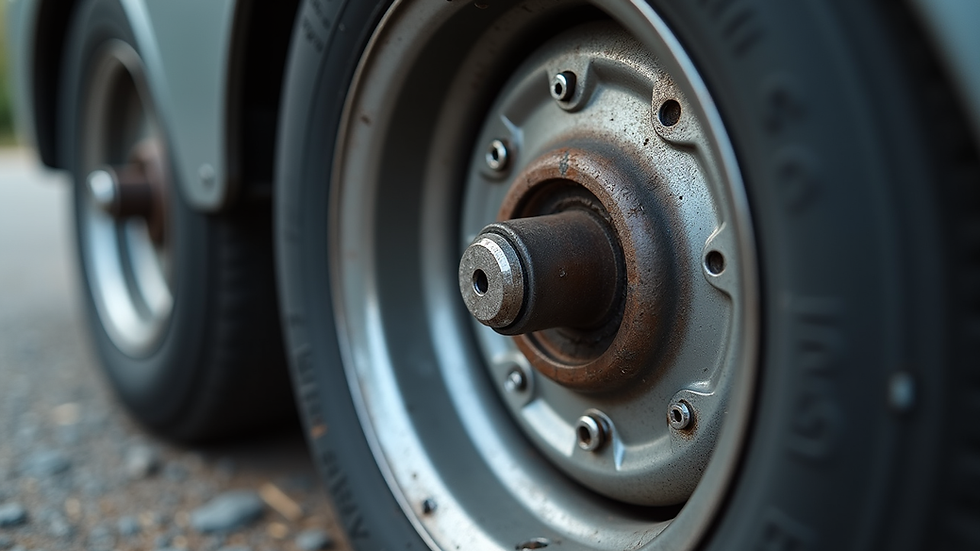
Signs Your Trailer Bearings Need Attention
Knowing when to check or replace your trailer bearings can save you from unexpected breakdowns. Here are some clear signs that your bearings might need some TLC:
Unusual noises: A grinding, humming, or growling sound coming from the wheels while towing usually means the bearings are worn or dry.
Wheel wobble: If the trailer wheel feels loose or wobbly when you shake it by hand, the bearings might be damaged or improperly adjusted.
Overheating hubs: After a trip, if the wheel hub feels hot to the touch, it’s a sign the bearings are not lubricated well or are failing.
Grease leakage: Visible grease leaking from the hub or around the bearing seals indicates a problem with the bearing seals or lubrication.
Regular inspection and maintenance can prevent these issues. I recommend checking your trailer bearings at least once a year or every 12,000 miles, whichever comes first. If you use your trailer frequently or in harsh conditions, more frequent checks are a good idea.
What size bearing is a 3500 lb trailer?
If you’re towing a trailer with a 3500 lb capacity, knowing the right bearing size is crucial for safety and performance. Typically, trailers in this weight range use bearings sized to handle the load without overheating or wearing out prematurely.
For a 3500 lb trailer, the most common bearing sizes are:
These bearings are designed to fit hubs rated for 3500 lbs and provide the right balance of strength and durability. However, it’s always best to check your trailer’s hub specifications or consult the manufacturer’s manual to confirm the exact bearing size.
Using the correct bearing size ensures your trailer wheels rotate smoothly and safely, preventing costly damage and keeping your load secure.
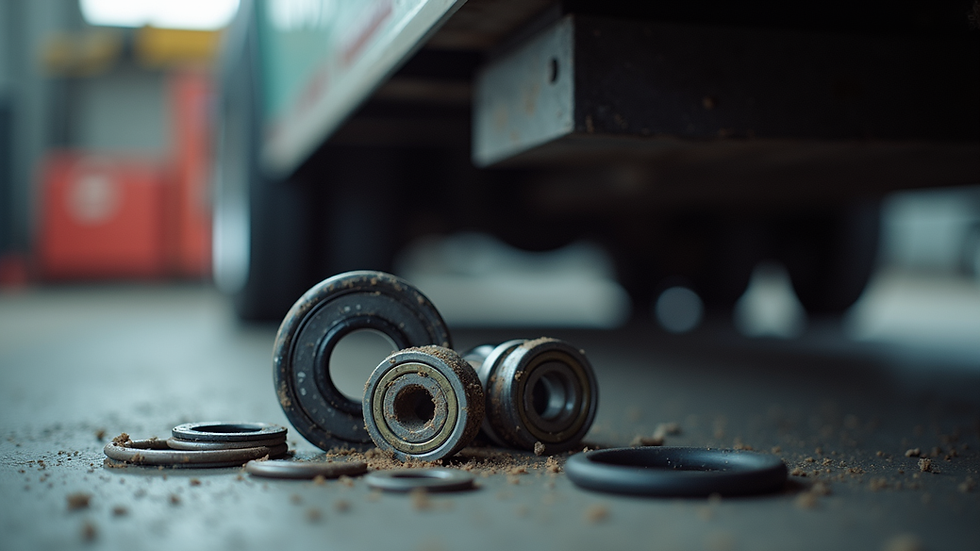
How to Maintain and Replace Trailer Bearings
Maintaining your trailer bearings is easier than you might think, and it’s a task that pays off in safety and longevity. Here’s a straightforward guide to keep your bearings in great shape:
Tools and materials you’ll need:
Jack and jack stands
Lug wrench
Bearing grease
Bearing packer (optional but helpful)
Replacement bearings and seals (if needed)
Clean rags
Gloves
Step-by-step maintenance:
Lift the trailer: Use a jack to raise the trailer and secure it on jack stands. Remove the wheel using a lug wrench.
Remove the hub: Take off the dust cap, cotter pin, and retaining nut to access the bearings inside the hub.
Inspect the bearings: Carefully remove the bearings and check for wear, rust, or damage. If they look rough or pitted, replace them.
Clean the bearings: Use a clean rag and solvent to remove old grease and dirt.
Pack the bearings: Apply fresh bearing grease thoroughly. You can use a bearing packer or do it by hand, making sure grease fills all the spaces.
Replace seals: Always install new seals to keep grease in and dirt out.
Reassemble: Put the bearings back in, tighten the retaining nut properly (not too tight), replace the cotter pin and dust cap.
Test: Spin the wheel to ensure it moves smoothly without wobbling.
Regularly greasing your bearings, especially before long trips or after exposure to water, will extend their life and keep your trailer running smoothly.
Why Proper Trailer Bearing Care Matters
I’ve seen firsthand how neglecting trailer bearings can lead to serious issues. One time, a friend of mine was towing his boat to the lake when his trailer wheel seized up because the bearings were dry. It caused a dangerous situation on the highway and a costly repair bill.
Proper care of your trailer bearings not only prevents accidents but also saves you money in the long run. Well-maintained bearings reduce wear on tires and axles, improve fuel efficiency, and ensure your trailer handles safely.
If you’re investing in a trailer or rely on it for your boat or recreational vehicle, taking a little time to care for the bearings is a smart move. It’s a small part that makes a big difference.
Where to Find Quality Trailer Bearings and Services
Finding the right parts and expert help is key to keeping your trailer in top condition. Whether you need new bearings, seals, or professional maintenance, look for a one-stop shop that understands trailers inside and out.
A reliable trailer service center offers:
A full range of trailer parts, including bearings and seals
Expert advice on maintenance and repairs
Quick and trustworthy service to get you back on the road fast
Support for boat trailers and recreational vehicle trailers
Having a trusted partner for your trailer needs means you can focus on enjoying your trips without worrying about breakdowns.
Taking care of your trailer bearings is a simple step that ensures your trailer stays safe and reliable. From knowing the right bearing size to regular maintenance, these small parts play a big role in your towing experience. Keep them greased, inspected, and replaced when needed, and your trailer will thank you with smooth, worry-free rides every time.
If you want to learn more about trailer bearings and how to keep your trailer in great shape, check out the resources and parts available at C&H Trailers. They’re ready to help you with everything from parts to repairs, making your trailer ownership easier and more enjoyable.


Comments