
How to Maintain Boat Trailer Undercarriage for Long-Lasting Performance
Owning a boat is a joy, but keeping it safe and ready to hit the water means taking care of the trailer too. One of the most overlooked parts of trailer maintenance is the undercarriage. This area takes a beating from water, dirt, and road grime. If you want your trailer to last and perform well, maintaining the undercarriage is a must. I’ve learned a lot over the years about how to keep this part in top shape, and I’m excited to share practical tips that anyone can follow.
Why You Should Maintain Your Boat Trailer Undercarriage
The undercarriage of your trailer is the foundation that supports your boat during transport. It includes the frame, axles, suspension, brakes, and other components. These parts face constant exposure to water, especially saltwater, which can cause rust and corrosion. Neglecting this area can lead to costly repairs or even unsafe towing conditions.
Regular maintenance helps you:
Prevent rust and corrosion
Ensure smooth towing and braking
Extend the life of your trailer
Avoid unexpected breakdowns on the road
Taking a little time to inspect and care for the undercarriage can save you money and stress in the long run.
How to Maintain Boat Trailer Undercarriage: Step-by-Step Guide
Maintaining your trailer’s undercarriage doesn’t have to be complicated. Here’s a straightforward routine you can follow:
1. Clean Thoroughly After Every Use
After launching or retrieving your boat, especially in saltwater, rinse the trailer undercarriage with fresh water. Use a hose with a strong spray to remove salt, mud, and debris. Pay special attention to hard-to-reach areas like behind the wheels and around the axles.
Pro tip: Use a brush with stiff bristles to scrub off stubborn grime. This prevents buildup that can trap moisture and cause rust.
2. Inspect for Damage and Wear
Look closely at the frame, welds, bolts, and suspension parts. Check for:
Cracks or bends in the frame
Loose or missing bolts
Rust spots or corrosion
Worn or damaged brake components
Tire condition and wheel bearings
If you spot any issues, address them immediately. Tighten bolts, replace worn parts, or consult a professional if needed.
3. Lubricate Moving Parts
Lubrication keeps your trailer running smoothly. Apply marine-grade grease to:
Wheel bearings
Suspension joints
Hitch coupler
This reduces friction and prevents rust. Remember to repack wheel bearings at least once a year or as recommended by the manufacturer.
4. Apply Protective Coatings
To protect metal surfaces, apply a rust-inhibiting spray or paint designed for trailers. This adds a barrier against moisture and salt. Touch up any scratched or bare metal areas promptly.
5. Check Electrical Connections
The undercarriage also houses wiring for lights and brakes. Inspect connectors for corrosion or damage. Clean and seal connections with dielectric grease to keep them working reliably.
Common Problems and How to Fix Them
Even with regular care, some issues can arise. Here are common problems and practical fixes:
Rust and Corrosion
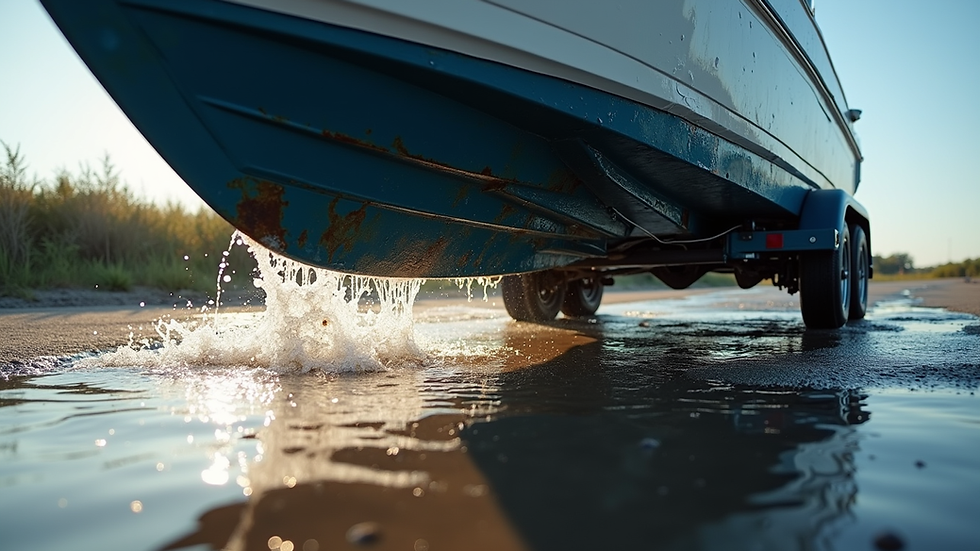
Rust is the biggest enemy of trailer undercarriages. If you notice surface rust, use a wire brush or sandpaper to remove it. Then apply a rust converter or primer before repainting. For severe rust, parts may need replacement.
Worn Wheel Bearings
If you hear grinding noises or feel roughness when spinning the wheels, the bearings might be worn. Remove the wheel, clean the bearings, and repack them with grease. Replace if damaged.
Bent or Damaged Frame
A bent frame can cause alignment issues and unsafe towing. Minor bends might be straightened by a professional welder. For major damage, replacement is safer.
Faulty Brakes
Trailer brakes are crucial for safety. If brakes feel weak or unresponsive, inspect the brake pads, drums, and wiring. Replace worn pads and repair wiring as needed.
Tools and Supplies You’ll Need
Having the right tools makes maintenance easier and more effective. Here’s a list of essentials:
Garden hose with spray nozzle
Stiff-bristle brush
Wire brush or sandpaper
Marine-grade grease and grease gun
Rust-inhibiting spray or paint
Socket wrench set
Screwdrivers
Dielectric grease for electrical connections
Replacement parts (bolts, brake pads, bearings)
Keeping these on hand means you can tackle maintenance whenever needed without delay.

Scheduling Regular Maintenance for Peace of Mind
I recommend setting a maintenance schedule based on how often you use your trailer:
After every trip: Rinse and inspect for obvious damage
Monthly during boating season: Lubricate moving parts and check electrical connections
Annually: Full inspection, bearing repack, and protective coating touch-up
Mark these tasks on your calendar or phone reminders. Staying consistent helps catch problems early and keeps your trailer in great shape.
If you want to learn more about how to care for your boat trailer undercarriage, C&H Trailers offers expert advice and a full range of parts and services. They’re a reliable resource for everything trailer-related.
Keeping Your Trailer Ready for the Road
Maintaining your boat trailer undercarriage is not just about protecting your investment. It’s about safety and peace of mind every time you hit the road. With simple steps like cleaning, inspecting, lubricating, and protecting, you can avoid breakdowns and costly repairs.
Remember, a well-maintained trailer means your boat stays secure and your trips stay fun. Take the time to care for your trailer’s undercarriage, and it will serve you well for many seasons to come.


Comments